Do you picture morning coffee with your toes in the sand, or strolling to dinner and a show downtown? If you are choosing between Siesta Key and the Sarasota mainland, you are really choosing a daily rhythm. Both deliver sun and water, but the way you live day to day can feel very different. In this guide, you will learn how prices, walkability, commute times, culture, flood and insurance, and rental rules compare so you can pick the lifestyle that fits you best. Let’s dive in.
The big picture: prices and property types
Siesta Key is a barrier island with a tight supply of condos and waterfront homes, so prices carry an island premium. Consumer indices place typical Siesta Key home values in the upper hundreds of thousands, with small-sample volatility and high-end sales that skew medians. In January 2026, Zillow’s ZHVI for Siesta Key was reported near $808,000, while Redfin showed a median sale price around $852,000. Figures vary by method and date, so always note the source and timeframe.
By contrast, Sarasota County’s broader market shows lower medians. The local REALTOR Association reports single-family median sale prices near the $480,000 to $490,000 range in early 2026 countywide, a useful baseline for mainland affordability compared with the island. You can review county-level snapshots from the REALTOR Association of Sarasota and Manatee for context at the RASM market reports.
Siesta Key at a glance
- Property mix: gulf-front and bayfront condos, single-family bay neighborhoods with docks, and cottages around Siesta Key Village.
- Submarkets: the Gulf-front corridor near Siesta Public Beach with many amenity-rich condos, Crescent and Turtle Beach on the quieter south end, bay and basin neighborhoods prized for boating, and the compact Village hub.
- Pricing drivers: direct Gulf views, boat access, building amenities, and rental rules often set the premium per square foot.
Sarasota mainland at a glance
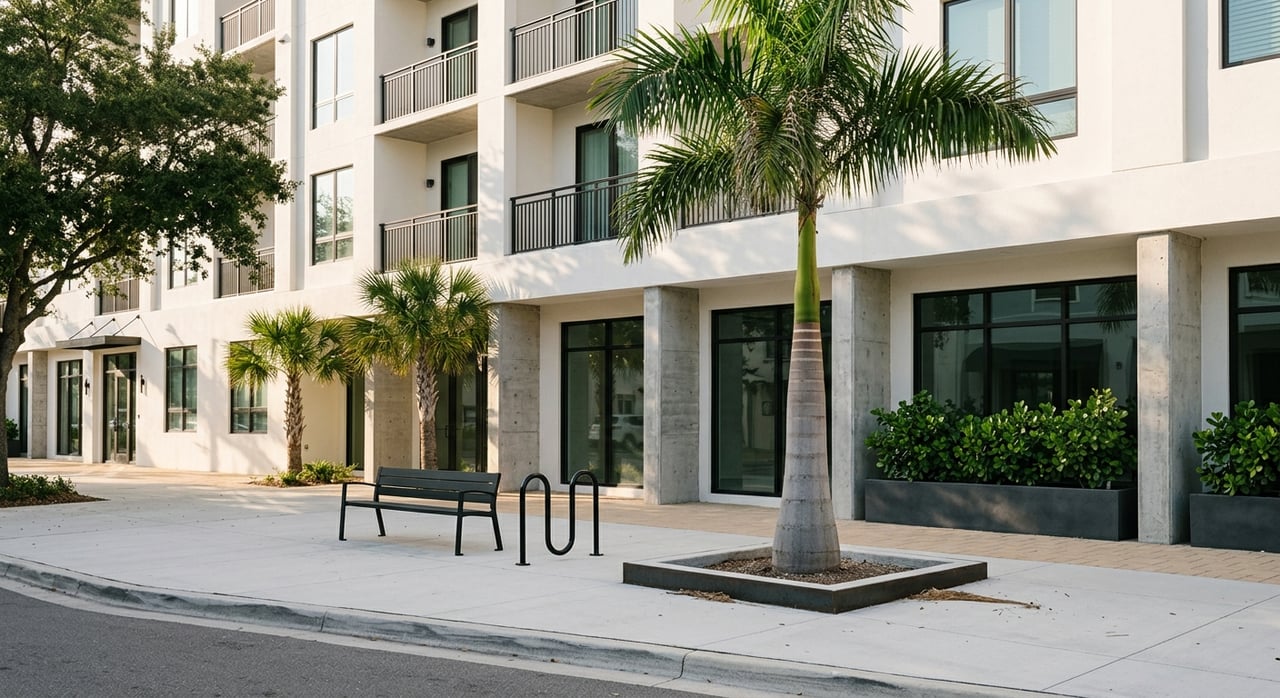
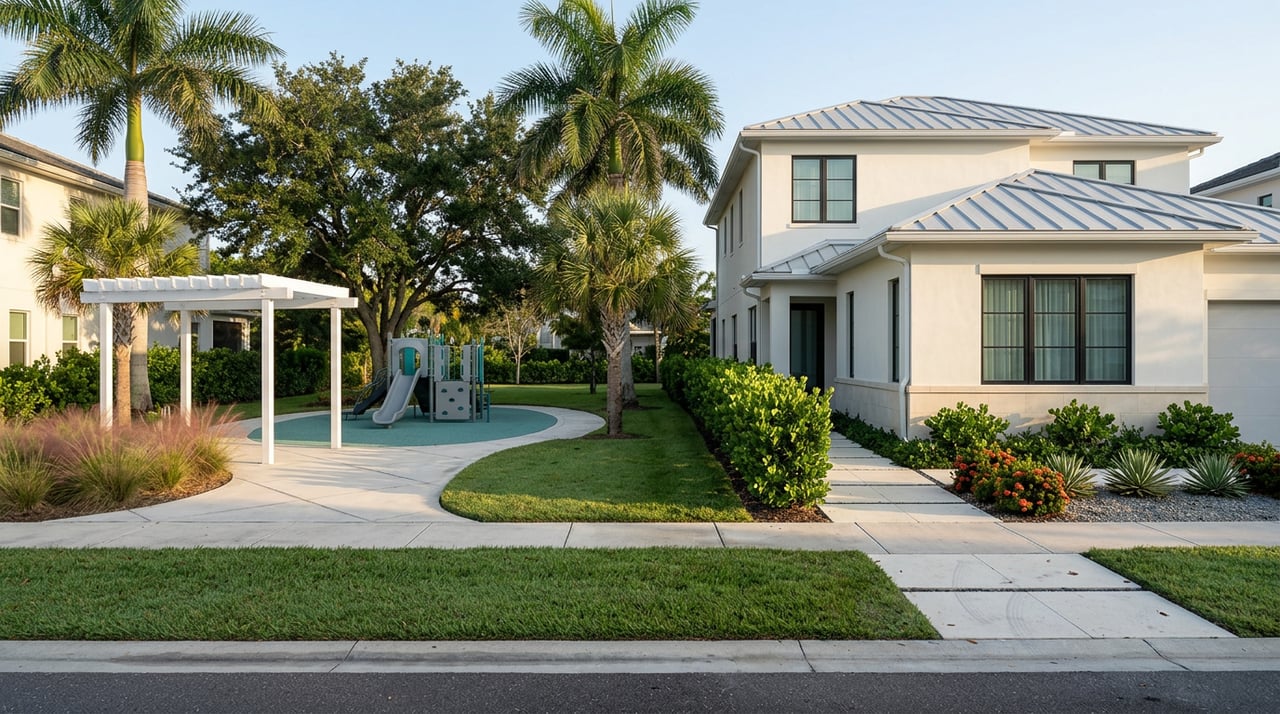
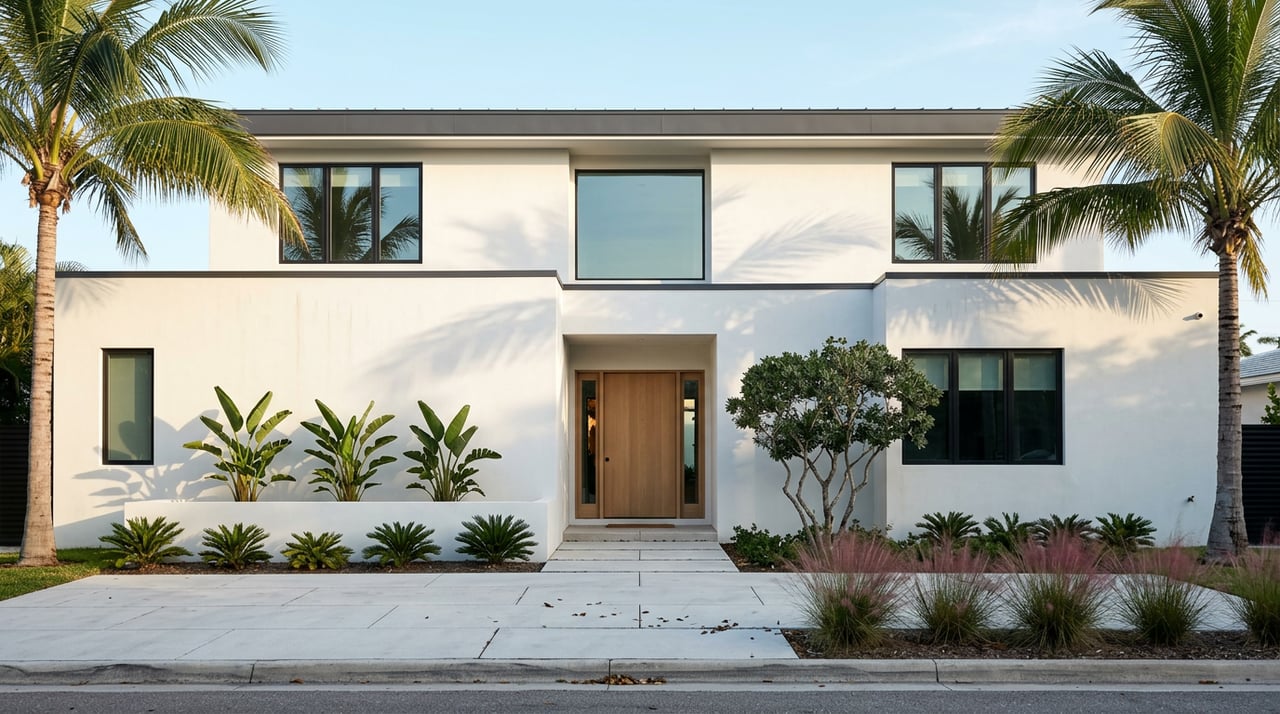
- Property mix: downtown and near-bay condos, established neighborhoods near the water, and larger-lot single-family homes in master-planned communities inland.
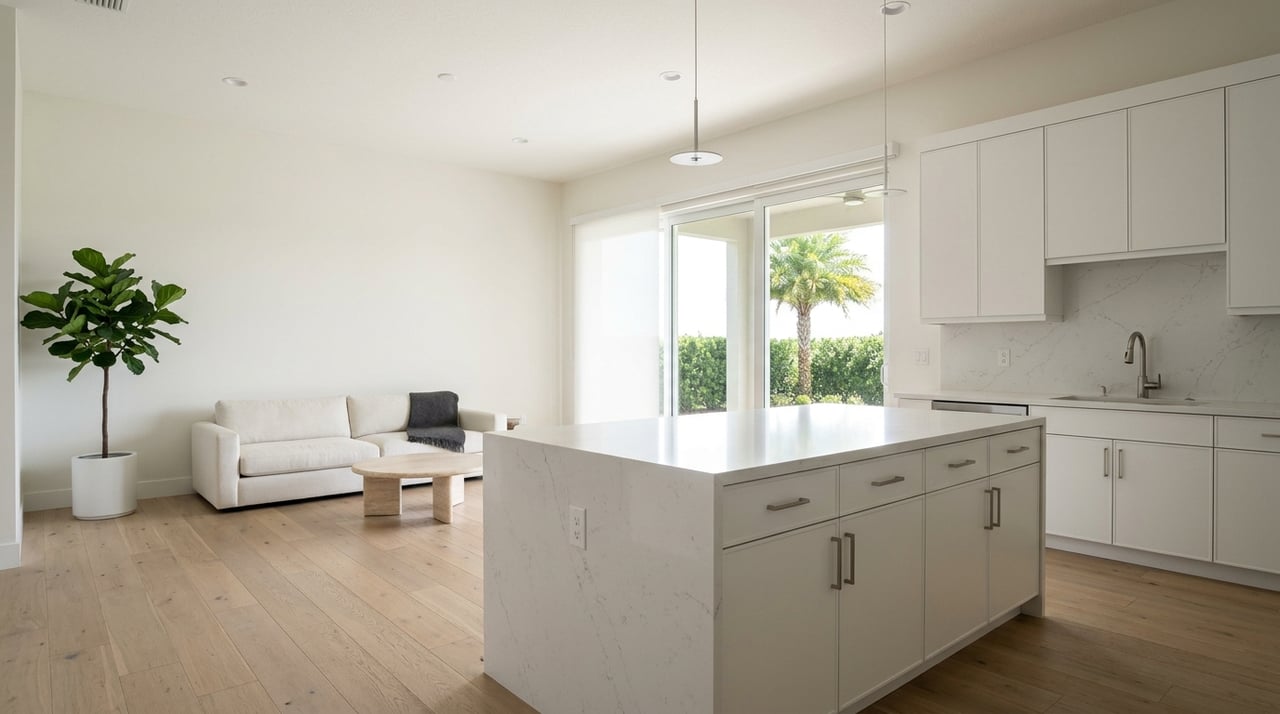
- Value backdrop: for the same budget as an island condo, you may find more interior space, a yard, or newer construction on the mainland.
- Convenience: groceries, medical services, and cultural venues cluster on the mainland, with downtown pockets that support a car-light lifestyle.
Daily life: walkability, commute, and culture
Walkability and errands
Siesta Key reads as “Somewhat Walkable” overall, with the Village and immediate beach areas being the pedestrian-friendly pockets. Many residential streets are still car dependent. Downtown Sarasota and neighborhoods around Main Street and the Rosemary District tend to score higher and can support a car-light routine for dining, errands, and arts. For a quick benchmark, explore Sarasota’s overall scores on Walk Score.
Commute times and bridges
Siesta Key connects to the mainland via the Siesta Drive Bridge to the north and the Stickney Point Bridge to the south. Typical non-peak drives from the Village or mid-island to downtown Sarasota fall in the 10 to 20 minute range, a bit shorter from the north end and a bit longer from the south end. Travel times stretch during winter high season and during special events. For island access and tips, see the simple overview on how to get to Siesta Key.
Dining and culture access
Siesta Key Village concentrates cafés, casual seafood, and lively bars in a compact social hub. If you want a deeper bench of restaurants, galleries, and performance venues within a short drive or walk, downtown Sarasota delivers. Major cultural anchors like The Ringling Museum, Selby Gardens, and performing arts halls are on the mainland, and they are an easy reach from the Key. You can sample the Sarasota arts scene starting with The Ringling.
Healthcare is also primarily located on the mainland. Major hospitals are a short drive from Siesta Key, which is helpful if routine medical access is a top priority.
Risk, insurance, and rental rules
Flood zones and maps
FEMA’s updated Flood Insurance Rate Maps for Sarasota County took effect on March 27, 2024. These maps determine whether a property sits in a Special Flood Hazard Area and whether flood insurance is required for a federally backed mortgage. Barrier islands and low-lying bayfront parcels are more often in higher flood zones, so verify every address before you write an offer. Use the city and county tools linked from the City of Sarasota flood map information.
Also watch forward-looking planning. Sarasota County’s resilience work highlights tidal and storm surge vulnerability for coastal areas, including Siesta Key. These plans guide future infrastructure upgrades and can influence long-term risk and assessments. Learn more on the county’s resiliency planning page.
Flood insurance today
FEMA’s Risk Rating 2.0 changed how National Flood Insurance Program premiums are set. Pricing is now more property-specific and factors distance to water, elevation, and replacement cost, not just zone lines. New policies started using the method in October 2021, and renewals followed in April 2022. Some owners saw increases and others decreases, which is why you should secure quotes for the exact property. Read the overview of Risk Rating 2.0 from National Flood Insurance resources.
Private flood insurance options have also expanded in Florida. In some cases private policies can be competitive with NFIP. Compare at least one NFIP quote and one private quote, request any existing elevation certificate early, and confirm the 30-day NFIP waiting period and any policy transfer rules. A clear explainer on market changes is available at Insurance.com.
Homeowners insurance in Florida
Florida’s homeowners insurance market has been active, with state-backed Citizens Property Insurance shifting policies to private carriers through depopulation programs in 2024 and 2025. Citizens announced recommended rate reductions for many policyholders for 2026, which signals stabilization for that timeframe. Always get live homeowners and wind quotes that reflect coastal exposure, roof age, and any claims history. See the latest updates on the Citizens press releases.
Short-term rentals and HOAs
Short-term rental rules can make or break an investment plan. Sarasota County regulates vacation rentals differently by zoning. A county ordinance has historically limited nightly rentals in single-family zones, while many condos permit shorter stays subject to zoning, permitting, tax registration, and HOA rules. If rentals matter to your numbers, confirm the exact rules, registration steps, and any enforcement history before you buy. See recent ordinance discussions and enforcement context in this Sarasota News Leader summary.
Beach or city: which fits you
- Choose Siesta Key if you want immediate beach access, a compact village vibe, and strong seasonal energy. Expect more visitors from December through April, which can help rental income but can add traffic and noise.
- Choose Sarasota mainland if you want a wider choice of restaurants, arts, and services within close reach or even within walking distance downtown. Expect more home options at or below island prices, often with more space.
- For boaters, bayfront and canal properties on the island command premiums for direct water access. On the mainland, you will find a wider range of price points, but still confirm boat access rights and rules.
Due-diligence checklist before you buy
- Flood and elevation: Look up the address in the official mapping tools linked from the City of Sarasota flood maps. Request any existing elevation certificate and get firm NFIP and private flood quotes that reflect the specific structure.
- Homeowners and wind coverage: Get at least two live quotes, confirm any wind-only or hurricane percentage deductibles, and ask about eligibility for private carriers versus Citizens. Review the latest trend notes from Citizens.
- HOA and rental permissions: Request HOA bylaws and lease restrictions. Confirm minimum stay rules, booking caps, transfer rules, and whether the community allows short terms. For single-family purchases, check county STR zoning and recent enforcement summaries like the Sarasota News Leader report.
- Utilities and infrastructure: Confirm sewer and wastewater service, and ask about any planned capital projects. Sarasota County has updated and consolidated island wastewater infrastructure in recent years; review seller utility records and background planning documents, such as the county’s watershed management chapter hosted here.
- Climate planning: Review county resilience work and planned public projects that may affect assessments or reduce risk. Start with the county’s resiliency planning overview.
- Taxes and carrying costs: Add HOA or condo fees, flood and homeowners premiums, property taxes, and any seawall or dock upkeep to your monthly total when comparing island and mainland homes.
- Schools and healthcare: If schools matter, confirm current attendance boundaries and bus or drive times with Sarasota County Schools. Major hospitals are on the mainland, so time a test drive from the property.
How to test-drive each lifestyle
- Do a weekend on each side: Spend one weekend on the Key and one downtown or near-bay. Walk for coffee and dinner, and note what feels natural.
- Time your routine: Drive to the grocery store, a doctor visit, and the airport in both locations. Try one trip during peak season.
- Match the home to the plan: If rental income is part of your strategy, filter your search to communities and zones that align with your target minimum stay.
- Think long term: Ask about planned resilience and infrastructure projects in the area. These can improve risk profiles and influence future costs.
Ready to compare specific properties on both sides of the bridge, with clear numbers on carrying costs and rules that match your goals? Connect with Colby Lengel for tailored guidance and a side-by-side plan that fits your lifestyle.
FAQs
Is Siesta Key more expensive than the Sarasota mainland?
- Yes, island homes and condos often carry a premium, while countywide mainland medians were near $480,000 to $490,000 in early 2026 according to RASM.
How long is the drive from Siesta Key to downtown Sarasota?
- Typical non-peak trips run about 10 to 20 minutes via the Siesta Drive or Stickney Point bridges, with longer times during winter season and special events.
How walkable is Siesta Key compared with downtown Sarasota?
- Siesta Key is “Somewhat Walkable” overall with its most walkable pocket in the Village, while downtown Sarasota areas post higher Walk Score results for a car-light lifestyle.
What should I know about flood risk on Siesta Key?
- Many coastal parcels sit in higher FEMA flood zones, so check the address in the official tools linked by the City of Sarasota flood maps and get property-specific quotes.
How did Risk Rating 2.0 change flood insurance pricing?
- NFIP premiums now factor property-specific elements like elevation and distance to water, so quotes vary widely and must be obtained for each address; see National Flood Insurance resources.
Can I do short-term rentals in a Siesta Key single-family home?
- County rules have historically limited nightly rentals in single-family zones, while some condos allow shorter stays, so confirm zoning, registration, taxes, and HOA rules before you buy using sources like the Sarasota News Leader update.