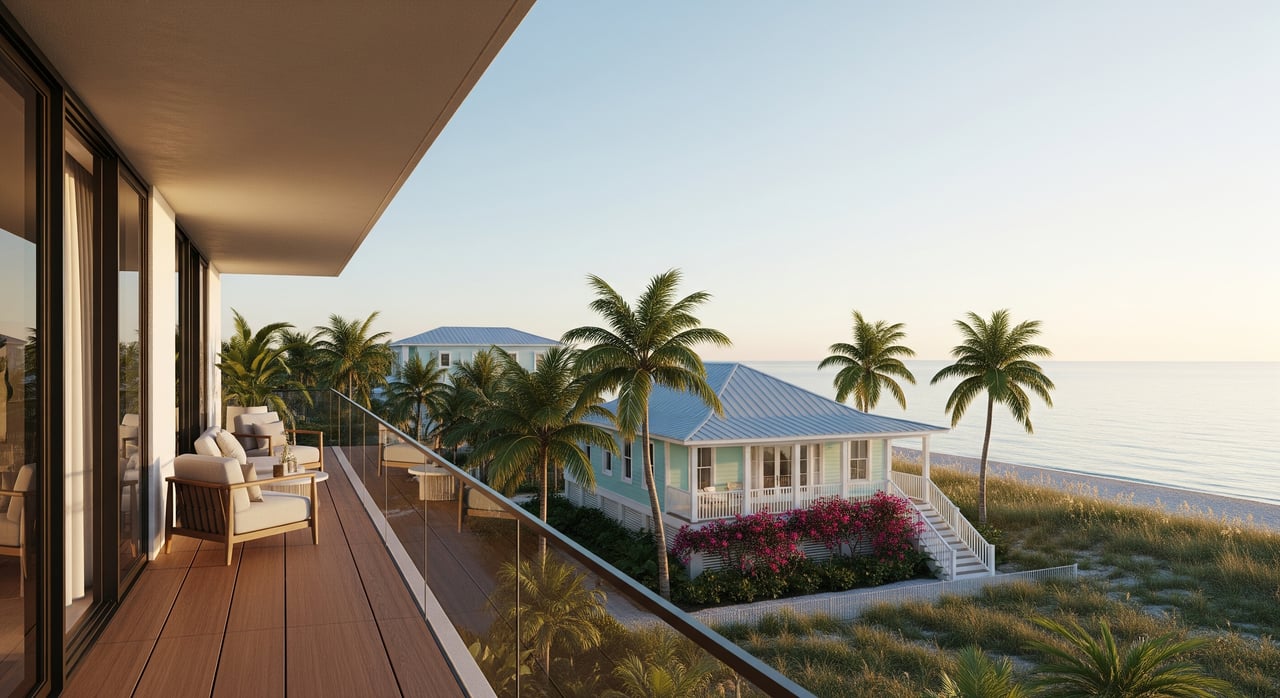
Wondering if a low‑maintenance condo or a private ground‑level cottage fits your Anna Maria Island plans? You are not alone. Second‑home buyers in 34216 often juggle upkeep, insurance, flood risk, and rental rules before they choose. This guide walks you through the tradeoffs, the local checks that matter, and a simple decision framework so you can move forward with confidence. Let’s dive in.
Condo vs. cottage snapshot
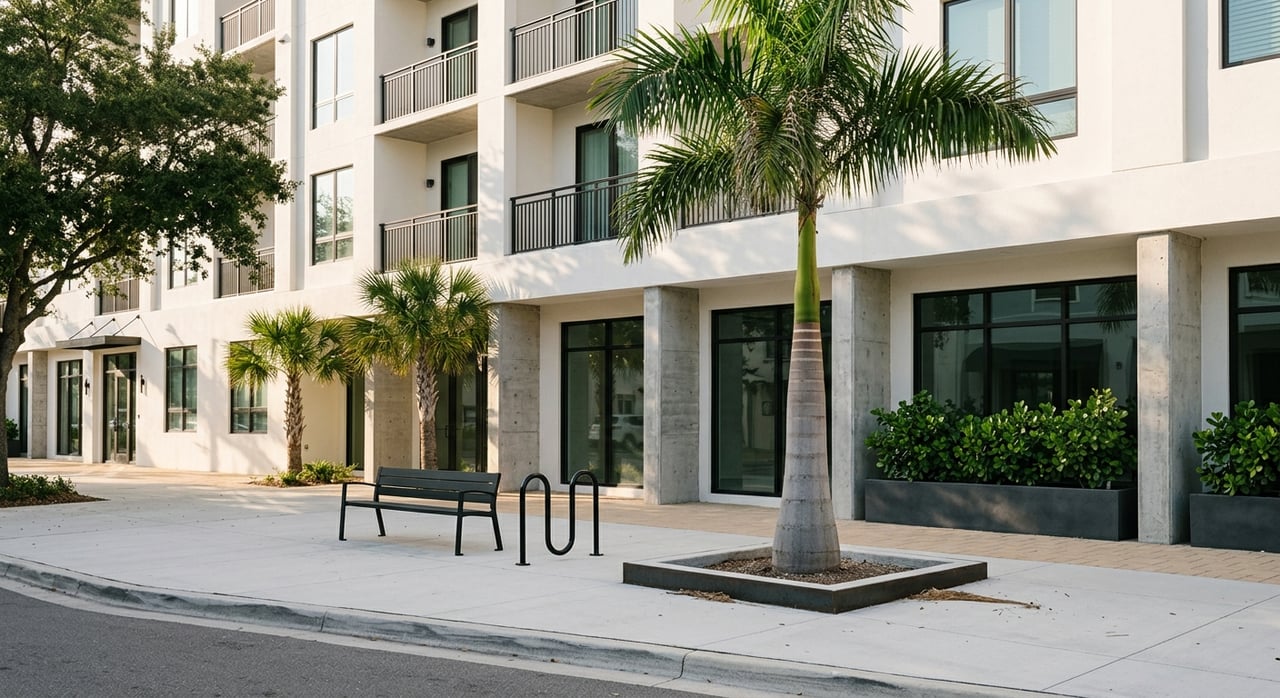
- Condo strengths: lower day‑to‑day maintenance, shared amenities, and association management that handles exterior items.
- Condo watch‑outs: HOA dues, possible special assessments, and association rental restrictions.
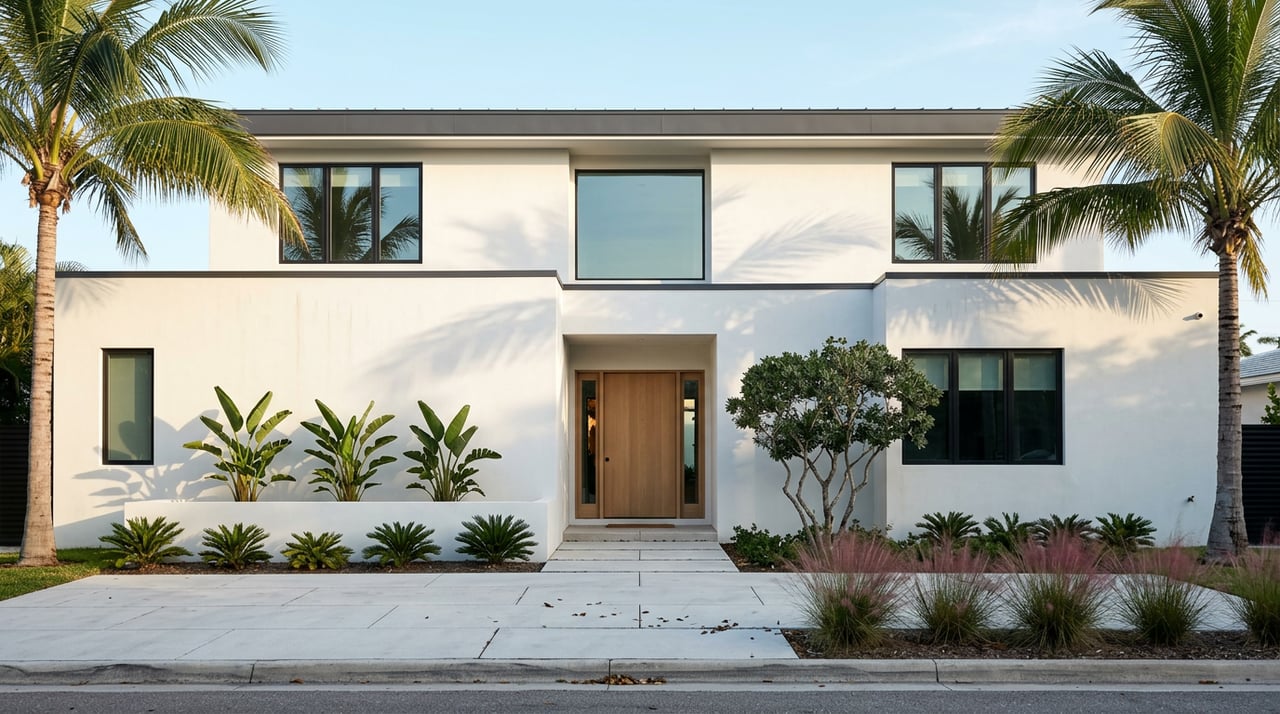
- Cottage strengths: privacy, outdoor space, parking, and full control over improvements and timing.
- Cottage watch‑outs: you manage all maintenance, higher insurance exposure for the structure, and more hands‑on vendor coordination.
Location and rules matter
Anna Maria Island includes three cities within 34216: City of Anna Maria, Holmes Beach, and Bradenton Beach. Each city has its own zoning, parking rules, and short‑term rental requirements. If rental income is part of your plan, confirm the property’s exact municipality and the current ordinance before you buy. Association rules can be more restrictive than the city, so review both.
Ownership and documents
Condo ownership gives you a unit plus a shared interest in common elements under Florida’s Condominium Act, Chapter 718. The association manages exteriors, common insurance, and reserves, funded by owner assessments. Ground‑level cottages are typically fee simple, so you own the land and structure and handle all maintenance. If a cottage sits within an HOA, governance falls under Florida Chapter 720.
For condos, request the declaration, bylaws, rules, current budget, reserve study, last 12 months of minutes, insurance certificate, estoppel, and any litigation disclosures. For cottages, ask for surveys, elevation certificates, system ages, and any seawall history. In both cases, verify rental rules, parking allocations, and what services are covered in dues, if any.
Insurance and flood risk
Coastal exposure is a reality on Anna Maria Island. Many parcels fall within FEMA flood zones, and lenders may require flood policies. You can check a property’s designation using the FEMA Flood Map Service Center.
- Condos: you typically carry an HO‑6 policy for interiors and personal property. The association maintains a master policy for common elements and often the exterior. Know the master policy’s wind or hurricane deductible. Large deductibles can translate to special assessments.
- Cottages: you usually carry a full homeowner policy similar to HO‑3 that covers the structure, which is generally more expensive than an HO‑6. Flood insurance premiums vary with elevation and can be significant for ground‑level homes.
Florida’s insurance market has been volatile. Review guidance from the Florida Office of Insurance Regulation and, if applicable, the state insurer of last resort, Citizens Property Insurance Corporation, to understand coverage options and deductibles.
Maintenance and lifestyle tradeoffs
If you want simplicity with limited on‑site time, a condo’s association‑handled exterior, landscaping, and amenities can be a major plus. That convenience can make weekend trips smoother and reduce vendor coordination. If you value privacy and your own outdoor space, a cottage offers a yard or deck, private parking, and more control over finishes and upgrades. Expect to either manage vendors yourself or hire a local property manager to keep things running.
Noise and proximity also differ. Condos place you near neighbors and shared spaces, while cottages often feel quieter and more private. On the flip side, many condo buildings sit close to beach access and provide shared storage for beach gear or bikes.
Short‑term rentals and income
Anna Maria Island is a strong vacation destination, but rules vary by city and by association. Some associations prohibit short‑term rentals or set minimum lease terms, while others permit them with registration. City rules may require local licenses, inspections, and transient tax collection. Before assuming income, confirm the exact rules for the property’s address and the association, and budget for management fees, turnover costs, utilities, and higher wear and tear.
Cost modeling over 5–10 years
Build a side‑by‑side budget that captures more than the purchase price. Include:
- Mortgage, property taxes, HOA dues if applicable, insurance for home and flood
- Utilities, internet, landscaping or pool service, pest control
- Maintenance reserve and capital items such as roof, HVAC, painting, or seawall
- Association reserve health and potential special assessment exposure
- If renting, management fees, cleanings, local taxes, and a vacancy allowance
A simple decision framework
Start with your priorities, then test them against real numbers and rules.
- Clarify what matters most
- Relaxation and minimal management
- Rental income potential
- Privacy, outdoor space, and control over improvements
- Tolerance for coastal risk and flood mitigation
- Budget comfort with HOA dues or self‑managed upkeep
- Match priorities to property type
- Choose a condo if you want lower daily maintenance, shared amenities, and a hands‑off model, and you are comfortable with association rules and dues.
- Choose a cottage if you want privacy, space for gatherings, and full control, and you accept higher owner responsibility and potential flood upgrades.
What to verify before you buy
For any condo
- Association budget, reserve study, and financial statements
- Board minutes for the last year and any pending litigation
- Master insurance policy and wind or hurricane deductible
- Estoppel certificate with current fees and assessments
- Rental, guest, and use restrictions
- Unit floor elevation and any flood or claims history
For any cottage
- Survey, boundaries, easements, and any HOA covenants
- Elevation certificate or lowest floor elevation and any flood claims
- Roof, HVAC, electrical, plumbing ages, and any seawall condition
- Permitting or maintenance history related to seawalls or docks
For both
- Municipal short‑term rental rules and required licenses
- Parking allocations and access to the beach
- Professional inspections, including wind mitigation and termite
- Insurance quotes for HO‑6 plus master policy or HO‑3 plus flood
How this plays out on Anna Maria Island
- Elevation varies only slightly across the island, so flood maps and elevation certificates matter for both condos and cottages. Upper‑floor condo units can reduce direct flood exposure to living areas, while ground‑level homes may need elevated utilities, impact windows, or other mitigation.
- Parking and on‑street rules differ by city. Private driveways at cottages often simplify parking, while condos usually assign spaces. Confirm counts and any guest parking rules.
- Sea‑level rise planning and changes in the insurance market can affect long‑term insurability and resale. Factor resiliency and reserves into your cost model.
Ready for next steps
If you want an easy second home with minimal upkeep, a well‑run condo with strong reserves and clear rental rules can be a great fit. If you want privacy, outdoor space, and the freedom to customize, a ground‑level cottage may be the better lifestyle match. The right answer comes from aligning your goals with local rules, insurance realities, and a full 5 to 10 year cost picture.
When you are ready to compare specific addresses, review association documents, and line up insurance quotes, reach out. You will get responsive, hands‑on guidance tailored to Anna Maria Island and your lifestyle. Connect with Colby Lengel to start your next chapter.
FAQs
Who handles exterior repairs in a condo on Anna Maria Island?
- The condominium association typically maintains common elements and the building exterior, but you should confirm the exact responsibility lines in the declaration and rules.
Can a condo or HOA issue special assessments?
- Yes, if reserves are inadequate an association can levy special assessments, so it is important to review reserve studies, budgets, and past assessment history.
Do ground‑level cottages usually need flood insurance?
- If the property is in a FEMA flood zone or your lender requires it, yes; many island parcels are in flood zones, so verify using the FEMA map and an elevation certificate.
Are short‑term rentals allowed across Anna Maria Island?
- Rules vary by municipality and by association, so you must confirm both the city ordinance and the condo or HOA rules for the specific address before relying on rental income.
Is condo insurance cheaper than cottage insurance?
- HO‑6 condo policies are usually less expensive than full homeowner policies, but condo owners still share exposure to the association’s master policy deductible and potential assessments.